
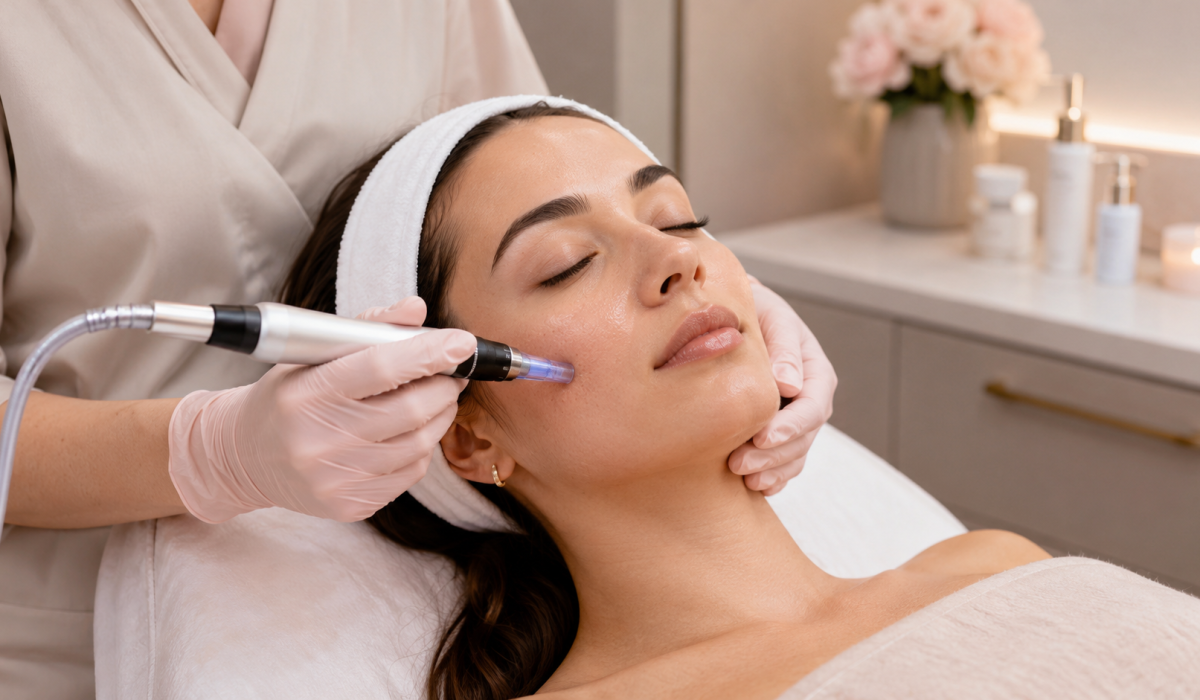
Microneedling in North Vancouver: Benefits, Process and Aftercare
Microneedling has become a widely requested skin treatment for people interested in improving the visible appearance of texture, fine lines and certain types of scarring.
The procedure uses very small needles to create controlled microchannels in the skin. This process is intended to activate the skin’s natural repair response. Microneedling is offered by a number of established skin clinics in North Vancouver and is commonly promoted for concerns such as uneven texture, acne scarring and visible signs of aging.
Because it is more intensive than a traditional facial, microneedling should be performed only after an appropriate consultation and by a properly trained provider.
What Is Microneedling?
Microneedling is a minimally invasive cosmetic procedure in which a specialized device creates tiny, controlled punctures in the skin.
These microchannels trigger a natural healing response. Over time, this process may support collagen and elastin activity and improve the appearance of certain skin concerns.
The treatment is different from a regular facial because it directly interacts with the skin through needles. Appropriate hygiene, device quality, technique, depth selection and aftercare are therefore essential.
What Concerns Can Microneedling Address?
Clients commonly ask about microneedling for:
- Uneven-looking skin texture
- The appearance of acne scars
- Fine lines
- Dull-looking skin
- Enlarged-looking pores
- Certain pigmentation concerns
- General skin rejuvenation
Results vary between clients, and not every concern responds in the same way. Some people may need a treatment series, while others may not be suitable candidates.
A consultation is necessary to assess your goals and determine whether another treatment would be more appropriate.
What Happens During a Microneedling Appointment?
The exact appointment process varies by provider, device and treatment plan.
A typical visit may include:
- Skin consultation and assessment
- Review of medical history, medications and previous treatments
- Cleansing of the treatment area
- Preparation of the skin
- Microneedling performed at settings appropriate for the treatment area
- Application of suitable post-treatment products
- Aftercare instructions
You may experience temporary redness, warmth or sensitivity afterward. The intensity and duration depend on the treatment settings and your individual skin response.
Microneedling Face Treatment
Full-face microneedling is generally selected by clients looking to improve the overall appearance of texture, fine lines, acne-related scarring or radiance.
Careful treatment planning is important because different areas of the face may require different settings.
The goal should not be to use the deepest or most aggressive treatment possible. More intensive treatment is not automatically better. Appropriate technique should be based on the client’s skin, treatment area and desired outcome.
Microneedling for the Neck
The neck is a delicate area and should be assessed separately from the face.
Clients may request neck microneedling to address:
- Fine lines
- Uneven-looking texture
- Visible skin aging
- General rejuvenation
Because the skin of the neck can respond differently from facial skin, the treatment plan and aftercare may need to be adjusted.
What Are Exosome and PDRN Add-Ons?
Some beauty clinics offer treatment add-ons such as exosome- or PDRN-based topical products following microneedling.
These products are often marketed as supporting hydration, recovery and skin rejuvenation. However, formulations, regulatory classifications and available evidence can vary significantly.
Before adding one of these products, ask:
- What exact product is being used?
- Is it approved or authorized for the intended use?
- Who manufactures it?
- How is it stored?
- Is it applied topically or injected?
- What are the potential risks?
- Is there evidence for the specific product?
A general marketing term should not replace a clear explanation of the product being used.
Who May Not Be a Good Candidate?
Microneedling may not be appropriate for everyone.
You should disclose:
- Active skin infection
- Open wounds
- Active cold sores
- Current inflammatory skin flare-ups
- History of abnormal scarring
- Pregnancy or breastfeeding
- Recent cosmetic procedures
- Blood-thinning medications
- Accutane or other relevant medication history
- Immune system concerns
- Allergies
- Recent sunburn
Your provider may postpone treatment or recommend medical clearance.
How to Prepare for Microneedling
Preparation instructions vary, but you may be advised to:
- Avoid excessive sun exposure
- Stop certain exfoliating products temporarily
- Avoid waxing the treatment area
- Avoid picking or irritating the skin
- Arrive with clean skin
- Inform the clinic about all medications and supplements
- Avoid other intensive treatments close to your appointment
Do not stop prescribed medication unless instructed by the healthcare professional who prescribed it.
Microneedling Aftercare
Following proper aftercare helps reduce avoidable irritation.
Your provider may recommend:
- Using a gentle cleanser
- Applying approved moisturizer
- Using appropriate sun protection
- Avoiding makeup for a specified period
- Avoiding swimming, saunas and intense exercise temporarily
- Avoiding retinoids, acids and exfoliants
- Not touching or picking the skin
- Using only recommended products
The skin may feel warm, tight or sensitive shortly after treatment. Contact the clinic if you experience unexpected pain, significant swelling, worsening redness, discharge or other concerning symptoms.
How Many Sessions Are Needed?
There is no single answer.
The number of appointments may depend on:
- Your skin concern
- Severity of visible scarring
- Treatment depth
- Area being treated
- Skin response
- Time available for recovery
- Your skincare routine
- Realistic treatment goals
Some clients may choose a series of treatments spaced apart, while others may begin with one appointment and reassess.
When Will You See Results?
Some clients notice a fresher appearance after the initial recovery period, while changes related to collagen remodeling can take longer.
Microneedling is not an instant transformation, and results cannot be guaranteed. Progress may be gradual and may require multiple treatments.
Taking consistent photos in similar lighting can help you evaluate changes more accurately.
Choosing a Microneedling Provider in North Vancouver
Before booking, ask:
- What training does the provider have?
- Which device is used?
- Is a new sterile cartridge opened for every client?
- How is the treatment room sanitized?
- How are treatment settings selected?
- What complications are possible?
- What happens if you have a reaction?
- Are before-and-after photos available?
- Will you receive written aftercare instructions?
Professional consultation and hygiene should be treated as essential, not optional.
Book Microneedling at Leily Beauty Clinic
Leily Beauty Clinic offers microneedling services in North Vancouver, including:
- Microneedling for the face
- Microneedling for the neck
- Face treatments with Exosome or PDRN options
- Personalized consultations
- Treatment-specific aftercare guidance
Schedule a consultation to discuss your skin concerns and determine whether microneedling is appropriate for you.
Book a Microneedling Consultation
FAQ
Is microneedling painful?
Comfort levels differ. Clients may experience pressure, vibration or temporary discomfort depending on the area and treatment settings.
How long does redness last?
Redness and sensitivity vary by person and treatment intensity. Your provider should explain the expected recovery period before treatment.
Can microneedling remove acne scars completely?
Microneedling may improve the visible appearance of some acne scars, but complete removal cannot be guaranteed.
Can I wear makeup after microneedling?
You may be advised to avoid makeup temporarily. Follow the specific aftercare instructions provided by your clinic.
Is microneedling safe for all skin tones?
Microneedling can be considered for different skin tones, but treatment settings, skin history and risk factors must be assessed individually.